
Menopause is not the closing of the chapter of womanhood. It is the beginning of a new one.
What’s the difference between perimenopause & menopause?
Perimenopause is the natural transition leading up to menopause, when hormone levels begin to fluctuate and symptoms such as heavy periods, hot flushes, mood swings, sleep disturbances, and brain fog can start or worsen, even while you're still having regular menstrual cycles.
Menopause is reached when you've gone 12 consecutive months without a period, marking the end of your reproductive years. While menopause is a single point in time, the hormonal changes and symptoms can continue for years afterwards.
Understanding where you are in this transition allows for a personalised, evidence-informed approach to optimising your health, vitality and long-term wellbeing.

How do I know if I’m perimenopausal?
Perimenopause is far more complex than most women are told. It affects every system in your body, not just your hormones.
-
Irregular or unpredictable periods
Cycles becoming shorter, longer, heavier or lighter than before
Hot flushes
Sudden waves of heat, often accompanied by sweating and flushing
Night sweats
Waking drenched, sometimes needing to change clothing or bedding
Vaginal dryness or discomfort
Changes in vaginal tissue that affect comfort and intimacy
Low libido
Decreased interest in sex or changes in arousal
Breast tenderness
Heightened sensitivity or ache, particularly before periods
-
Heightened anxiety
New onset or worsening anxiety, often arriving seemingly out of nowhere
Irritability or rage
Low tolerance for frustration, disproportionate emotional responses
Low mood or depression
Persistent flatness, sadness or loss of motivation
Panic attacks
Episodes of sudden intense fear, racing heart and shortness of breath
Feeling overwhelmed
Difficulty managing stress that previously felt manageable
Loss of confidence
Feeling less like yourself, questioning your identity or capabilities
-
Brain fog
Difficulty thinking clearly, feeling mentally slow or scattered
Memory lapses
Forgetting words, names or where you placed things
Poor concentration
Difficulty sustaining focus on tasks that previously felt easy
Mental fatigue
Cognitive exhaustion that arrives earlier in the day than before
-
Dry or thinning skin
Loss of plumpness, hydration and elasticity
Accelerated skin ageing
Fine lines, sagging or dullness appearing or worsening
Hair thinning or loss
Diffuse thinning across the scalp or at the temples
Adult acne or breakouts
Hormonal breakouts, often along the jawline
Increased facial hair
New growth on chin, upper lip or jawline
Brittle or slow-growing nails
Changes in nail strength, texture or growth rate
-
Unexplained weight gain
Particularly around the abdomen, without dietary or lifestyle changes
Difficulty losing weight
Previous strategies no longer working as effectively
Blood sugar fluctuations
Sugar cravings, energy crashes or increased hunger
Increased sensitivity to carbohydrates
Bloating, weight gain or energy dips after carb-heavy meals
Changes in body composition
Losing muscle and gaining fat even with regular exercise
-
Increased bloating
Particularly in the lower abdomen, often worsening with age
Changes in bowel habits
Constipation, looser stools or increased variability
New food sensitivities
Foods previously tolerated now causing discomfort
Nausea
Particularly during hormonal fluctuations
Digestive discomfort after eating
Bloating, pain or cramping following meals
-
Difficulty falling asleep
Racing thoughts or inability to settle at bedtime
Waking during the night
Frequently waking and struggling to return to sleep
Unrefreshing sleep
Waking feeling exhausted regardless of how long you slept
Vivid or disturbing dreams
Changes in dream intensity, frequency or content
-
Persistent fatigue
Deep tiredness that is not resolved by rest or sleep
Energy crashes
Significant dips in energy, particularly mid-afternoon
Reduced exercise tolerance
Workouts feeling harder, recovery taking longer than before
Heart palpitations
Awareness of heartbeat, fluttering or racing sensations
Dizziness or light-headedness
Particularly on standing or during temperature changes
-
Joint pain or stiffness
Particularly in the morning, or in previously unaffected joints
Muscle aches
Generalised soreness or aches without exertion
Reduced muscle mass
Noticeable loss of strength or muscle definition
Bone or joint tenderness
Increased sensitivity in joints or along the spine
Slower exercise recovery
Taking longer to feel recovered after physical activity
-
Increased urinary urgency
Sudden, strong urge to urinate that is difficult to delay
Urinary leaking
Leaking with laughing, sneezing, coughing or exercise
Recurrent UTIs
Urinary tract infections occurring more frequently than before
Increased urinary frequency
Needing to urinate more often during the day or night
-
Changes in cholesterol and blood fats
LDL and triglycerides tend to rise while HDL becomes less protective
Stiffer arteries
Blood vessels lose flexibility as oestrogen's protective effects decline
Higher blood pressure
Often creeping up gradually through perimenopause
Heart palpitations
Racing, pounding or fluttering heartbeat
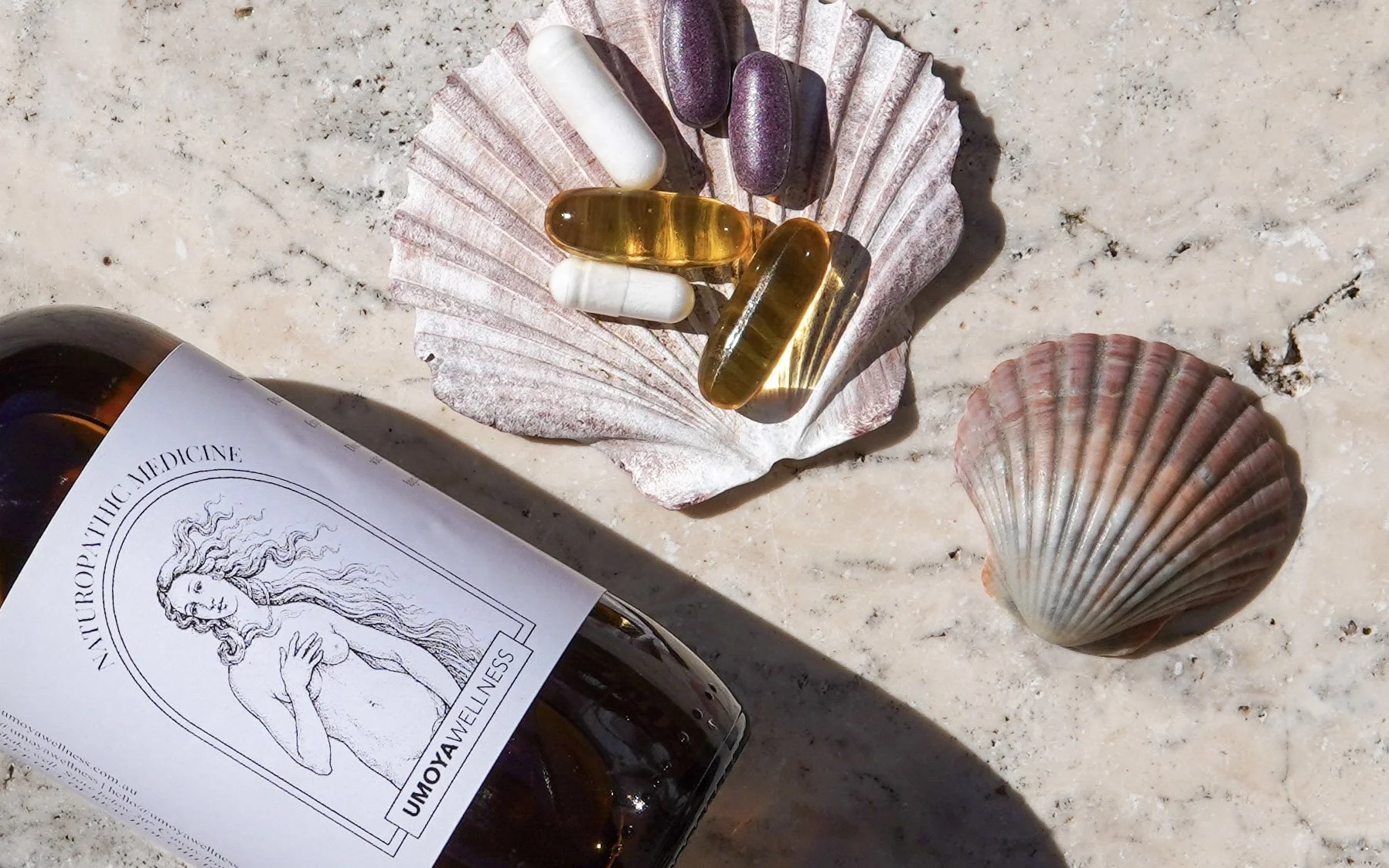
Menopause has long been portrayed as the beginning of decline. Framed as a loss of youth, vitality and the woman you once knew.
That idea is outdated.
Menopause is not the end. It marks the point of a powerful transition where understanding your body becomes a source of strength and where you stop merely surviving and begin intentionally investing in your future health.
Umoya exists to empower women through this transition. This stage of life brings its own richness, and I want to help reframe the idea that age means decline, or that women become less valuable past a certain point. We're moving past "anti-ageing" and into well-ageing, where longevity, quality of life, and intentional health are paramount.